


About Rural Electrification Agency (REA)
The Nigerian Rural Electrification Agency (REA) is the Implementing Agency of the Federal Government of Nigeria (FGN) under the Federal Ministry of Power tasked with the electrification of unserved and underserved communities to catalyse economic growth and improve quality of life for Nigerians.
Our mandate
The Mandate of the REA is structured around three dimensions:
- 1.Promoting Rural Electrification in the country
- 2.Coordinating the Rural Electrification Programmes in the country
- 3.Administering the Rural Electrification Fund (REF) to promote, support and provide rural electrification through Public and Private Sector Participation
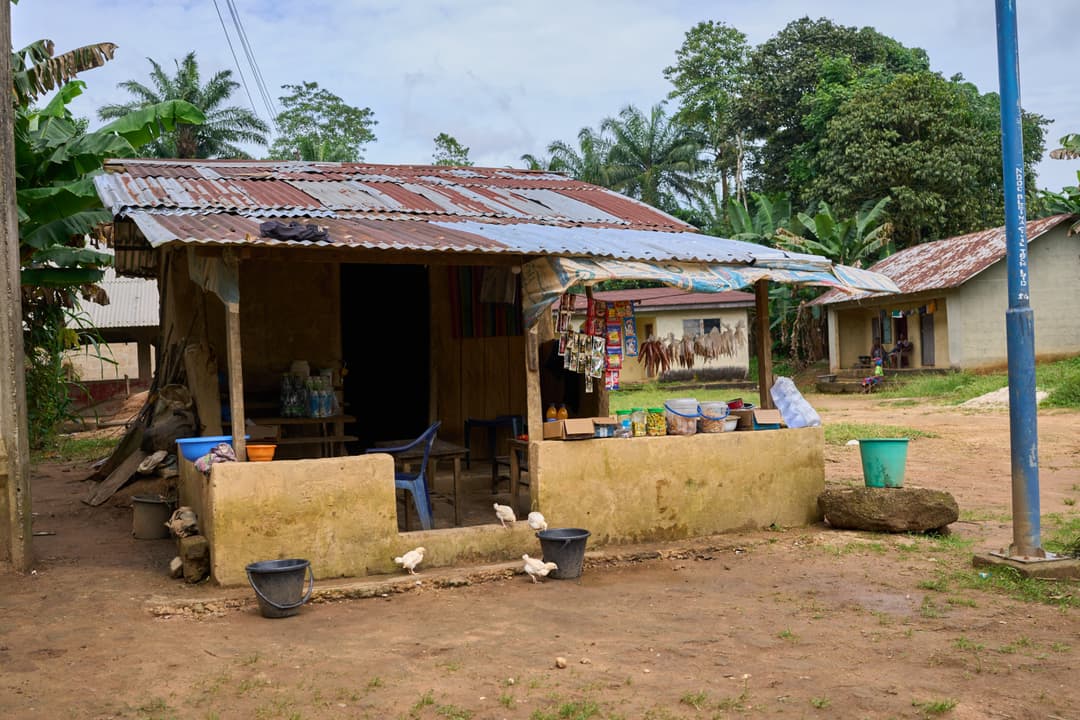
Furthermore, to promote rural electrification and coordinate programmes in the country, the Agency also creates an enabling environment by conducting feasibility assessments, energy audits, enumerations, data analysis, other technical assistance, and stakeholder engagements.
About United Nations Environment Programme (UNEP)
The United Nations Environment (UNEP) is the leading global authority on the environment, providing guidance and support to countries in achieving sustainable development. UNEP works to strengthen environmental governance, promote clean and efficient energy systems, and advance climate resilience. Through initiatives such as the United for Efficiency (U4E) programme, UNEP has been at the forefront of developing and promoting minimum energy performance standards, including for cooling and refrigeration, to help countries reduce greenhouse gas emissions, lower energy costs, and improve access to sustainable technologies.
U4E is a global initiative led by UNEP, supported by leading companies and organizations with a shared interest in transforming markets for lighting, appliances and equipment, by encouraging countries to implement an integrated policy approach to energy-efficient products so as to bring about a lasting, sustainable and cost-effective market transformation. At the heart of the Offgrid Refrigeration Guidelines Pilot Implementation Program are the U4E Model Quality and Performance Guidelines for Off-Grid Refrigerating Appliances. These guidelines ensure that the appliances deployed are not only energy-efficient and affordable, but also environmentally responsible — marking a pivotal step toward bridging Nigeria's energy access gap while supporting global climate goals.
The U4E programme in Nigeria will contribute to the following UN Sustainable Development Goals:
About Offgrid Refrigeration Guidelines Pilot Implementation Program
The Offgrid Refrigeration Guidelines Pilot Implementation Program is an initiative implemented by the Rural Electrification Agency (REA) in partnership with the United Nations Environment Programme (UNEP) aimed at catalyzing the widespread adoption and deployment of energy-efficient off-grid refrigeration solutions in rural and underserved areas of Nigeria.
Given the critical role of refrigeration in enhancing food security, healthcare services, and economic productivity, this initiative seeks to bridge the energy access gap by introducing sustainable and scalable refrigeration technologies tailored to the unique socio-economic and environmental contexts of rural communities.
Program components
Market Assessment for Off-grid Refrigeration
Objective: A targeted market assessment will be conducted to identify the key barriers hindering the widespread adoption of off-grid refrigeration technologies in rural Nigeria.
Market Assessment Report: comprehensive technical report documenting results of market analysis including:
- •Profiles of 3-5 potential pilot communities with off-grid energy access and refrigeration demand
- •Segmentation of end-users by type, cooling needs, and daily usage profiles
- •Comparative assessment of available off-grid refrigeration technologies in the Nigerian market
- •Identification of supply chain gaps and after-sales support availability
- •Financial modeling and business cases for different end-user types
- •Detailed pilot design framework (target users, deployment plan, M&E system)
Awareness Creation for Off-Grid Refrigeration Deployment in Rural Areas
Objective: Implement targeted awareness activities to ensure successful uptake of the pilot program including stakeholder workshops and community engagement programs.
Awareness Campaign Report: A narrative and visual report including:
- •Documentation of the stakeholder workshop: agenda, materials used, discussion summaries, participant list (disaggregated by gender and affiliation), and feedback received
- •Reports from community engagement sessions: locations, session format, participation statistics, user
- •Summary of media activities, including press coverage, perceptions, social media engagement, and communication materials produced
Demonstration and Pilot Scheme in Selected Communities
Objective: To validate the technical feasibility, economic viability, and user acceptability of off-grid refrigeration systems, a pilot project will be implemented in carefully selected rural communities.
Pilot Demonstration Report: A results-focused report presenting the implementation and evaluation of the pilot including:
- •Documentation of community selection process and justification
- •List of deployed refrigeration units by community and user type
- •Technical specifications and deployment model used (e.g., Pay as you go, outright purchase)
- •User training reports with attendance logs, training content, and photos
- •Performance data (e.g., energy use, temperature stability, uptime)
- •Economic and social outcomes (e.g., income generation, food/medicine preservation, user satisfaction)
- •Lessons learned and recommendations for scale-up
Market Assessment for Off-grid Refrigeration
Objective: A targeted market assessment will be conducted to identify the key barriers hindering the widespread adoption of off-grid refrigeration technologies in rural Nigeria.
Market Assessment Report: comprehensive technical report documenting results of market analysis including:
- Profiles of 3-5 potential pilot communities with off-grid energy access and refrigeration demand
- Segmentation of end-users by type, cooling needs, and daily usage profiles
- Comparative assessment of available off-grid refrigeration technologies in the Nigerian market
- Identification of supply chain gaps and after-sales support availability
- Financial modeling and business cases for different end-user types
- Detailed pilot design framework (target users, deployment plan, M&E system)
Awareness Creation for Off-Grid Refrigeration Deployment in Rural Areas
Objective: Implement targeted awareness activities to ensure successful uptake of the pilot program including stakeholder workshops and community engagement programs.
Awareness Campaign Report: A narrative and visual report including:
- Documentation of the stakeholder workshop: agenda, materials used, discussion summaries, participant list (disaggregated by gender and affiliation), and feedback received
- Reports from community engagement sessions: locations, session format, participation statistics, user
- Summary of media activities, including press coverage, perceptions, social media engagement, and communication materials produced
Demonstration and Pilot Scheme in Selected Communities
Objective: To validate the technical feasibility, economic viability, and user acceptability of off-grid refrigeration systems, a pilot project will be implemented in carefully selected rural communities.
Pilot Demonstration Report: A results-focused report presenting the implementation and evaluation of the pilot including:
- Documentation of community selection process and justification
- List of deployed refrigeration units by community and user type
- Technical specifications and deployment model used (e.g., Pay as you go, outright purchase)
- User training reports with attendance logs, training content, and photos
- Performance data (e.g., energy use, temperature stability, uptime)
- Economic and social outcomes (e.g., income generation, food/medicine preservation, user satisfaction)
- Lessons learned and recommendations for scale-up